

Debunking Prefabricated House Myths: Separating Fact From Fiction
Prefabricated homes, often referred to as prefab or modular homes, have come a long way from their origins as simple, uninspiring structures. Today, they offer a world of possibilities for individuals and families seeking an efficient, sustainable, and customizable housing solution. However, there are still lingering myths and misconceptions that surround prefab homes. In this article, we aim to debunk these myths and provide you with the facts from Abendzeitung München to help you make an informed decision about this innovative approach to housing.
Prefabricated Homes Lack Customization

One of the most common myths is that prefab homes come in limited, cookie-cutter designs, leaving little room for personalization. In reality, prefabricated homes offer a vast range of customization options. You can choose architectural styles, layouts, materials, and finishes that align with your unique style and needs. Many manufacturers even provide design services to create a completely tailored home.
Prefabricated Homes Are Lower in Quality
Some believe that prefab homes are of lower quality than traditionally constructed houses. The truth is that prefab homes often surpass traditional construction in quality. Components are manufactured in a controlled factory environment, ensuring consistent workmanship. Materials are protected from weather-related damage during the construction process, resulting in a home that’s both durable and long-lasting.
Prefabricated Homes Are Not Energy-Efficient
This myth couldn’t be further from reality. Prefabricated homes are designed with energy efficiency in mind. They can incorporate advanced insulation, high-efficiency windows, and modern heating and cooling systems. Many prefab homes meet or exceed traditional building standards for energy efficiency, resulting in lower energy bills and a reduced environmental impact.
Prefabricated Homes Are Less Eco-Friendly
On the contrary, many prefab homes prioritize sustainability. Sustainable materials and construction methods, including using recycled and eco-friendly materials, are common in the industry. These homes can be equipped with renewable energy systems such as solar panels, reducing their environmental footprint.
Prefabricated Homes Are Prone to Weather Damage During Transport

The transportation of prefab modules is often a concern. However, manufacturers take great care in securing and protecting these modules during transit. Modern transportation methods, including specialized vehicles and equipment, ensure the modules reach their destination intact and undamaged.
Prefabricated Homes Are Difficult to Finance
Securing financing for prefab homes is not as challenging. Many banks and lending institutions offer mortgage options tailored explicitly to prefab construction. Working with a lender experienced in prefab home financing is important to streamline the process.
Prefabricated Homes Are Not Suitable for Extreme Climates
Prefab homes are not limited to temperate climates. Many manufacturers offer designs specifically engineered to withstand extreme weather conditions. With the right insulation, heating, and cooling systems, prefab homes can be comfortable and efficient in hot and cold climates.
The myths surrounding prefabricated homes often stem from outdated information or misconceptions. The reality is that modern prefab homes are efficient, sustainable, customizable, and built to high-quality standards. They offer a flexible, cost-effective, and eco-friendly housing solution that can meet the needs and preferences of many homeowners. Debunking these myths is essential to recognizing the potential of prefabricated homes in addressing the challenges of today’s housing market.…

 Find the Right Roofing Company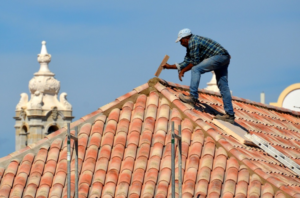


 Countries have requirements for brokers and agents. Agents need them very much in different countries. Requirements include a number of requests to brokers and agents, as well as ratings. There is a training requirement. These steps imposed by the state for your real estate career should be completed by an agency that started before you or could be purchased before you. This agency is regulated and includes statutory activities and technical skills, and this license could be the first step. It’s not about paying a little money, a business you might want to get into.
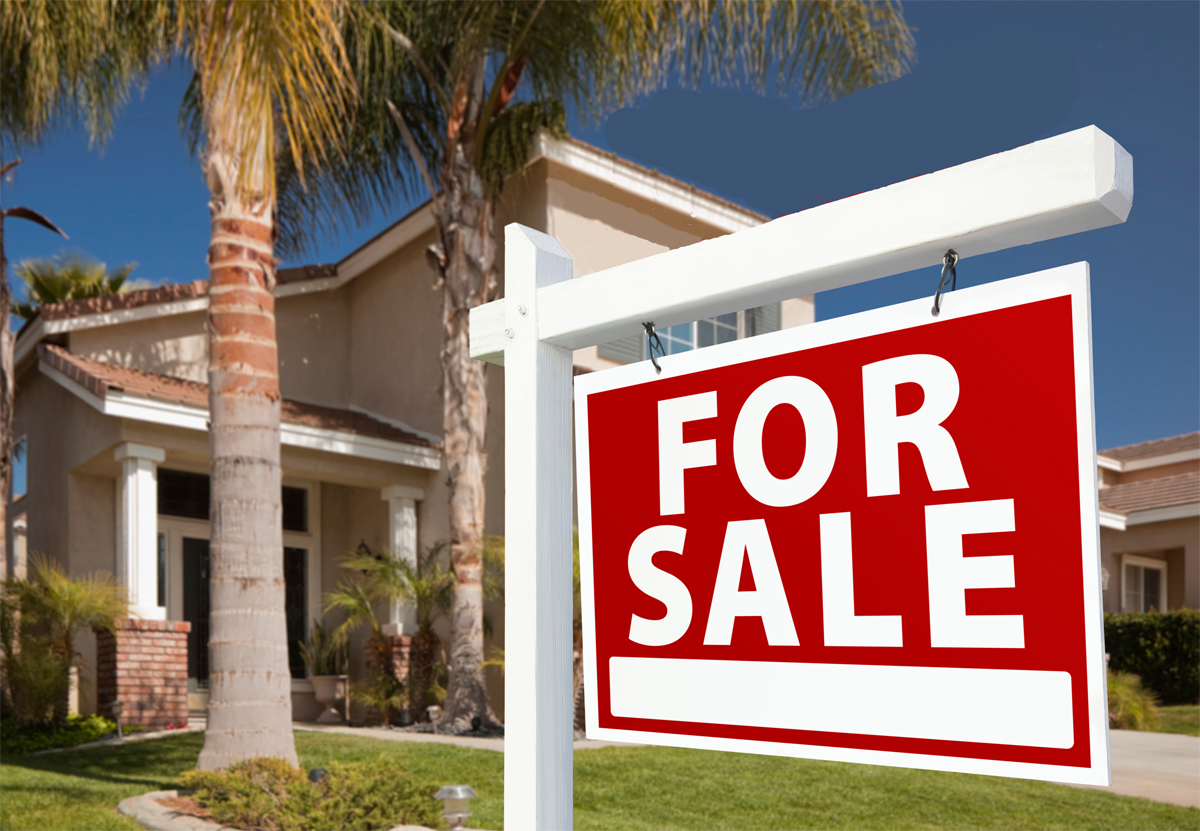 Women and men create and sell a house. There are regions with specialties. A real estate company could manage the purchase and sale of agricultural processing plants, agricultural land, and farms, real estate, rental, and purchase centers. In fact, a niche market could be cut off from many that can be established in the real estate market. If you have a niche, it could become something that eliminates a lot of competition and could be marketable. Some real estate companies have it. It is the kind of company that you probably really own. For this to happen, you may need to start your own business.


 Reasons for selling